Iacocca was managing 11,000 workers in the Ford Division in 1962. The question is how did Iacocca motivate these workers? According to Iacocca, the truth is that the only way to motivate workers is to communicate with them, although you can be a great debater, you need to prepare for important public speeches. Lee Iacocca has done that through Dale Carnegie’s public speaking training course. You need to be able to speak on the fly in any organization or company. You also need to learn how to listen to people. You need to be able to listen well in order to motivate people who work for you. Preparation for a speech in front of a large audience is very very important. You need to understand that audience or you have no business taking up that audience’s valuable time. You need to use their language when you speak rather than speak above that person.
Never be too tough on someone when they are down, if he is upset about his own failure, you run the risk of hurting him badly and taking away his incentive to improve. You need to be able to play on a team. There were smarter people who know more about cars than Iacocca, but he was able to handle people properly. People skills are what make Iacocca successful. You need to be able to talk plain and simple. The key to success is not information rather people are the key.
This is a synopsis & analysis based on Iacocca: An Autobiography and other miscellaneous research sources. Enjoy.
Thatcher came to lead the Conservative Party in 1975 by defeating Ted Heath in a no confidence motion. Heseltine threatened Thatcher ever since he left cabinet over the Westland affair. Britain had high inflation in 1989. Thatcher was contested by Sir Anthony Meyer but was resoundingly vindicated. Thatcher’s husband Denis wanted her to announce a resignation in 1989 but she didn’t. Thatcher decided to increase the time spent with backbenchers. She could not find a successor who would continue her policies. John Major was acceptable enough. The Conservative Party wanted Thatcher to leave at an early time than she would have liked.
Geoffrey Howe’s resignation was a major blow to Thatcher’s leadership. Howe disagreed profoundly with Thatcher over the European Union. Thatcher was concerned about the impact of his resignation. Howe’s Commons speech was a powerful attack that made Thatcher boil inside. Howe said Thatcher was intransigent stating that when negotiating with Europe “it was rather like sending your opening batsmen to the crease only for them to find, the moment the first balls are bowled, that their bats have been broken before the game by the team captain”. Howe stated that ‘the time has come for others to consider their own response to the tragic conflict of loyalties with which I have myself wrestled for perhaps too long.’ The speech was deeply damaging. Thatcher was hurt and shocked. Thatcher hated Geoffrey Howe clearly in her memoirs and wonders why she had advanced his career so far. Howe deliberately set out to bring down a colleague in a brutal and public way. Thatcher still doesn’t understand why Howe did what he did. Howe ultimately assassinated his own character in the process.
Heseltine was promising to review the community charge and education reforms. Thatcher disliked Heseltine’s long-standing corporatist and interventionist views. While on a Paris Conference, the first ballot occurred at home. Thatcher received only 204 votes to Heseltine’s 152. This was not very promising. It was a huge blow to her authority. It would be very difficult to regain lost respect of her colleagues and advisories. Thatcher initially called to have a second ballot. Denis told his wife not to continue. Heseltine was unthinkable and so she could not handle defeat under these circumstances. The old wing of the party was hesitant of Thatcher but was now more concerned about undoing her good work. During this panicked period Thatcher received assessments of her possible win. Thatcher talked to back benchers and cabinet members. They were all saying that they would support her to the end BUT she could not win and that she should step out of the way for either John Major or Douglas Hurd. This was repeated over and over again. Thatcher was extremely upset about these people’s suggestions. Ken Baker said the method of leadership selection was farcical but she was screwed. Ken Baker said that the Thatcher campaign to track supporters etc was clearly deteriorating. Thatcher supported John Major as the new leader. In order to assure that the Conservatives are united for the next election, Thatcher finally decides to stand down for a 2nd ballot. John Major gains the support necessary to defeat Heseltine. Her closing speech wasn’t very good she admits. She cried a couple of times and then she left 10 Downing Street.
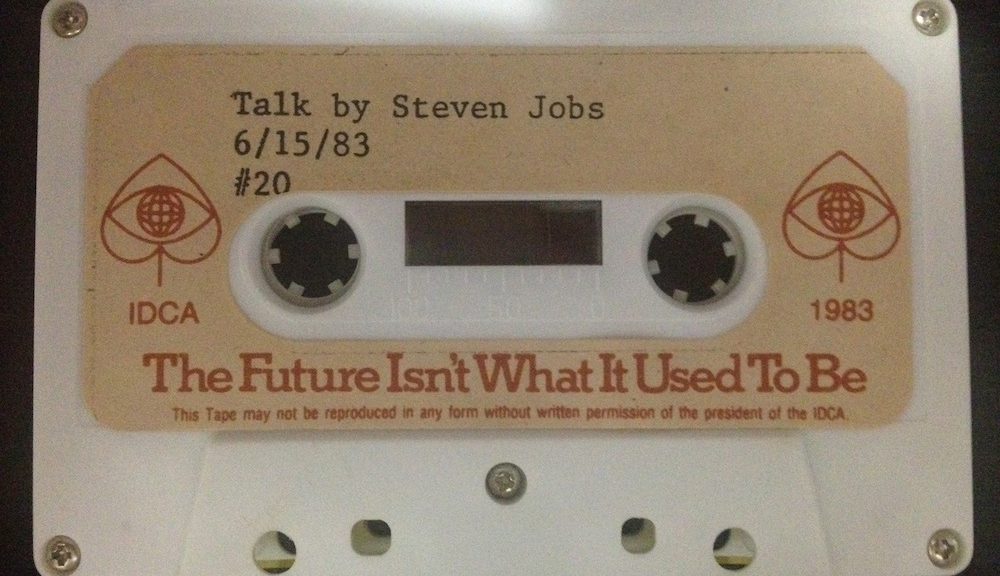
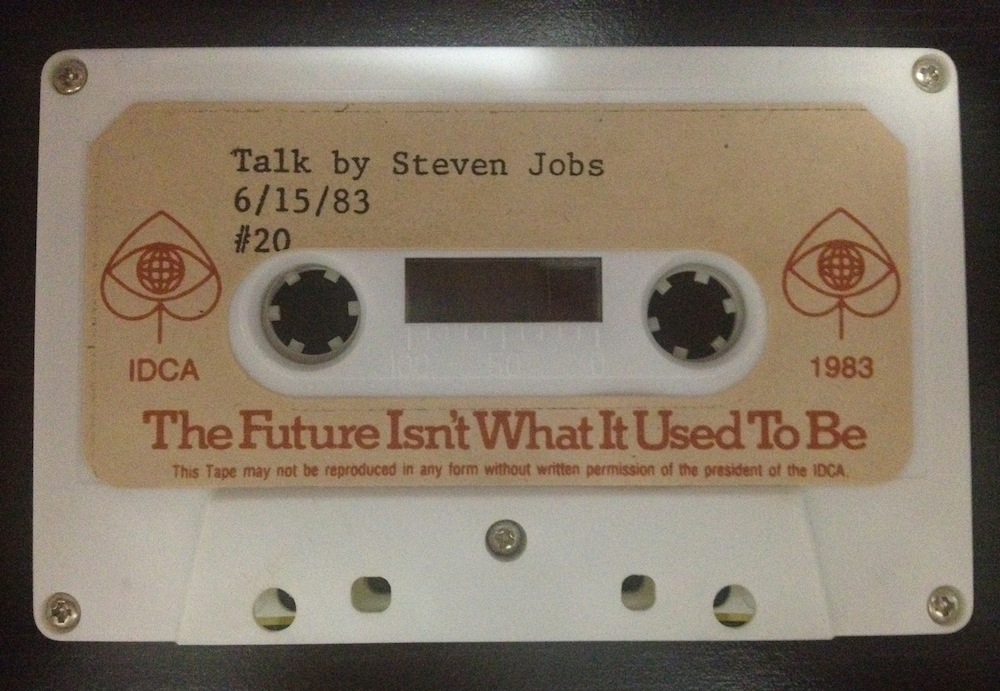
The Personal Computers Explained (according to Jobs):
The electric motor was invented in the 1800s, but it was not cost effective to build in a factory. Then someone took the electric motor and connected it to 15 smaller machines in a factory, thereby allowing a large motor to be cost justified in a medium level task. Then there was the invention of the fractional electric motor which has a 1/55 horsepower motor. Today that is in everyhousehold in 1983.
The Eniac was the first computer in 1947 (http://en.wikipedia.org/wiki/ENIAC) to track ballistic missiles. Then in the 1960s there was this idea of time-sharing of a super computer between people through a terminal so that 5 people could use the one computer at one time because the computer was so fast they all thought it was only working for themselves. This justifies super computers in universities. Fractional horse power computing was the innovation of Steve Jobs and Wozniak. The only reason Apple was successful is that they innovated 5 years before anyone else had by creating fractional horse power computing. They had closed off the terminal concept of computing where you would have to go to a university terminal that was connected to a large computer (called time sharing because each person would have 30 minutes with this powerful machine).
A computer is just doing a series of simple instructions but doing so very quickly. So then we build a higher levels of abstraction are translated down to simple instructions.

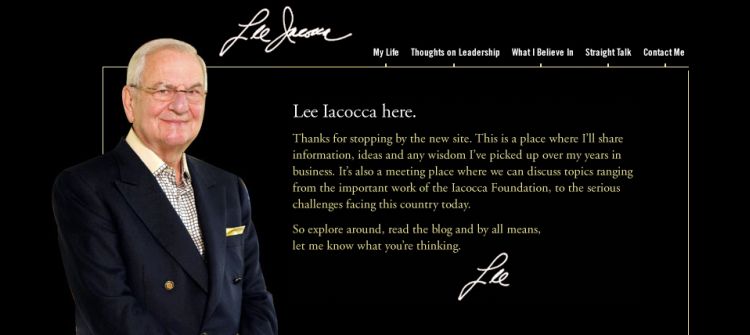
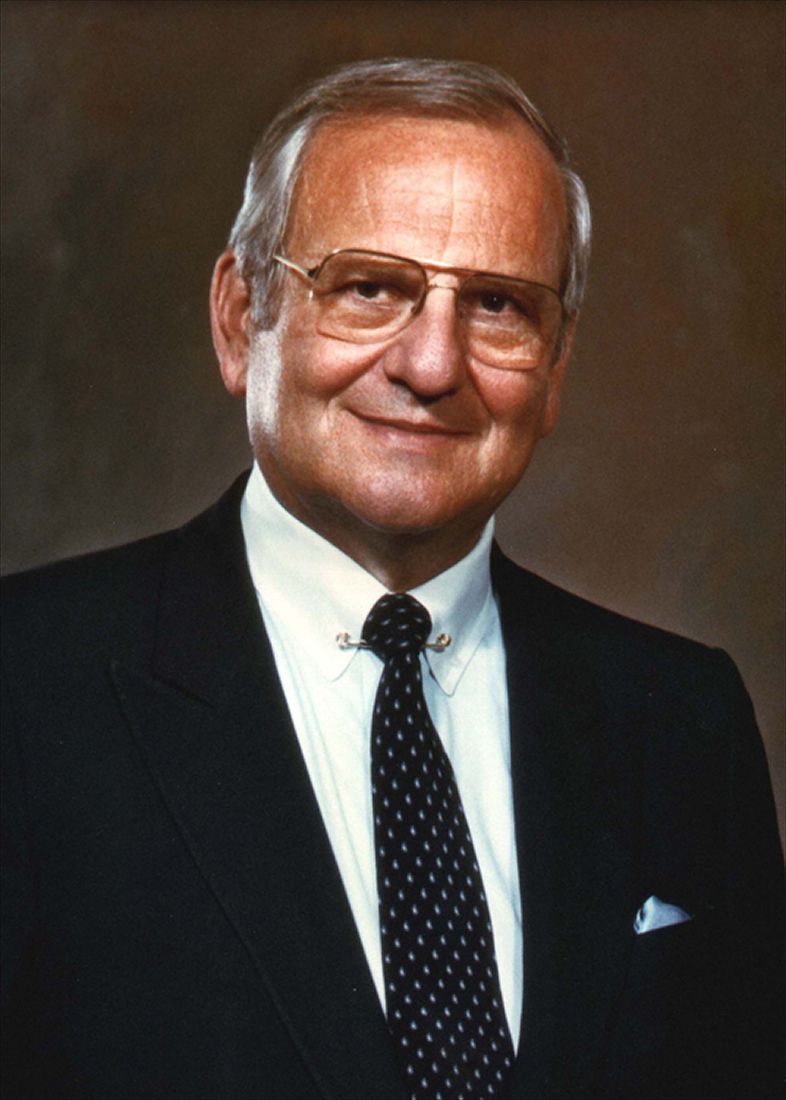 Iacocca was managing 11,000 workers in the Ford Division in 1962. The question is how did Iacocca motivate these workers? According to Iacocca, the truth is that the only way to motivate workers is to communicate with them, although you can be a great debater, you need to prepare for important public speeches. Lee Iacocca has done that through Dale Carnegie’s public speaking training course. You need to be able to speak on the fly in any organization or company. You also need to learn how to listen to people. You need to be able to listen well in order to motivate people who work for you. Preparation for a speech in front of a large audience is very very important. You need to understand that audience or you have no business taking up that audience’s valuable time. You need to use their language when you speak rather than speak above that person.