Category Archives: Finance

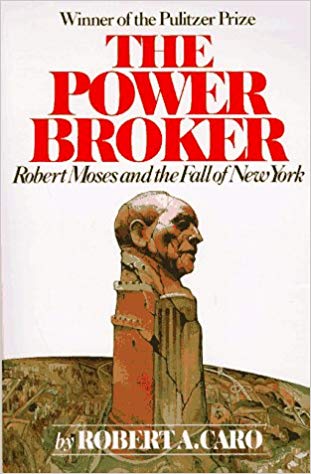
Power Broker by Robert Caro – Summary & Analysis of Chapter 50

Chapter 50 – Old

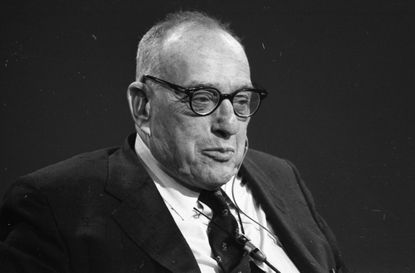
Moses’s mind was still active, but he had nothing to do. The months ahead drew bleak and terrible. The effect of powerlessness became apparent. The eyes became rheumy, the figure emaciated. A discouraged sigh would be emitted constantly. Moses still sat at his desk at Triborough, but no advice was sought. Soon his former aides were avoiding his office. Eventually, the reality of the situation became clear to Moses; he was being left to die.

Moses was reduced to pleading for a meaningful position. His old cronies tried to fight for him, knowing that their wealth was dependent on Moses having a say in development. Eventually however, everybody realised that Moses had lost all his power. Moses would continue to expound on his past successes, but now people would grow bored and leave. He was now quite deaf and his eyesight was failing. He was still a big man in presence, but the loss of power had a telling psychological effect; he was no longer intimidating.

His intelligence was still active and he still wrote about city planning. He had a city-wide housing program worked out, but the previous flaws were still obvious and now many commentators felt free to criticise them. His desire was to continue to build to save his reputation but the priorities had changed and his plans were ignored. His impotence turned into bitter frustration and violent rages. He could not sit still. He was always anxious to get back and could not get any solace.

There were bright spots. There were monuments and developments named after him. He was named “Man of the Year” in the early 70s by various organisations. He had continued support in some sections of the press. These bright spots however, became fewer and fewer. His name, once a symbol of progress, became a symbol of failure. He no longer had no public platform to express his views. He was asked to host a TV program. The program was a fiasco, partly due to the refusal to wear a hearing aid, resulting in the situation that he was unable to hear anything the other contributors were saying.

By 1972. All of Moses’s contacts were either dead or retired. Once he led battalions, now he had only his chauffeurs and secretaries. His name had disappeared from the press. Moses’s career was over.

Analysis & Key Takeaways
  • Value of getting things done over wielding power to extract money or engage in corrupt acts: Moses was a cut above the both rich, arrogant and corrupt because he always fought opponents with joy and with the aim of expressing the ‘public interest’. He was consistently not held accountable by the electorate (for possible racism, prejudice, relocating the poorest in the name of engineering considerations i.e. the rich etc etc) becoming in effect the most powerful man in New York state for many decades. It was the fact that he was not elected, as a civil servant, he had the goal of wielding power in what he felt was unbiased. He did not value money or corruption through power. He valued the ability to get things done. And so he was closely aligned with the economic modernization of the New York infrastructure of the 20th century.
  • And so he could get away with allocating power in what was in fact a very biased manner which he personally may not have realized was biased; and we cannot confirm every decision was close to objective because we don’t and never will have the data to show just how subjective he was relative to others.
  • Moses tried to argue that the civilian roads were necessary to evacuate New York. He argued every case in order to gain more power. A totalitarian regime can have the will of a single architect the way a democracy cannot. People in a democracy do not sign on to having their own homes demolished for the greater good very often. This is the inherent frailty of democracy as a rather vague construct that doesn’t really exist in a serious way, because it is inimical to progress. Certainly Moses was at the heart of a totalitarian style and many politicians did not seem to mind that.  Proof that democracy dies in darkness. Democracy must do better to counter-act the evidence that Moses “got things done” by also being as or more productive while also accommodating the interests and perspectives of a wider audience (the democratic advantage being crowd-sourced preferences).
The Power Broker is a Pulitzer Prize Winner
Chapter 1Chapter 2Chapter 3
Chapter 4Chapter 5Chapter 6
Chapter 7Chapter 8Chapter 9
Chapter 10Chapter 11Chapter 12
Chapter 13Chapter 14Chapter 15
Chapter 16Chapter 17Chapter 18
Chapter 19Chapter 20Chapter 21
Chapter 22Chapter 23Chapter 24
Chapter 25Chapter 26Chapter 27
Chapter 28Chapter 29Chapter 30
Chapter 31Chapter 32Chapter 33
Chapter 35Chapter 36Chapter 37
Chapter 38Chapter 39Chapter 40
Chapter 41Chapter 42Chapter 43
Chapter 44Chapter 45Chapter 46
Chapter 47Chapter 48Chapter 49
Chapter 50

Power Broker by Robert Caro – Summary & Analysis of Chapter 27

Chapter 27 – Changing

Power and Personality – Interplay.

Moses now started to seek power for its own sake. In 1936, the New York City Tunnel Authority was established to build a Queens Mid-town tunnel. Moses asked to be a member but received no support from La Guardia and as a public official was ineligible. Moses persisted to get appointed but failed. He therefore resolved to destroy it.

The Mid-town tunnel experienced delays which threatened the necessary funding. Moses worked to delay it further by keeping the enabling bill stuck in committee. Most contemporaries thought that Moses tried to destroy the project purely because it was a challenge to his power. This revealed the lengths Moses would go to gain control.

As Federal housing funding became available, Moses hastily made up his own housing plans. The vast power involved attracted Moses. Moses circumvented the Mayor and presented his housing program directly to potential investors and the media, a program that conflicted with the Mayor’s own. However, a copy of the plan had fallen into La Guardia’s hands. As Moses was supposedly broadcasting his program to a large audience, La Guardia had cut him off the air. La Guardia also ensured that the Housing Committee rejected all Moses’s plans. Moses did not receive any of the housing projects.

La Guardia then moved to reduce Moses’s power in parks and transportation. The Mayor started to try to channel Moses’s energy into other areas of public works. However, Moses had always been skilled in taking a small institution and turning it into a source of great power. He was now to turn his mind to the institution known as the Public Authority.

Analysis & Key Takeaways
  • Moses gained equal status with La Guardia through various means.
The Power Broker is a Pulitzer Prize Winner
Chapter 1Chapter 2Chapter 3
Chapter 4Chapter 5Chapter 6
Chapter 7Chapter 8Chapter 9
Chapter 10Chapter 11Chapter 12
Chapter 13Chapter 14Chapter 15
Chapter 16Chapter 17Chapter 18
Chapter 19Chapter 20Chapter 21
Chapter 22Chapter 23Chapter 24
Chapter 25Chapter 26Chapter 27
Chapter 28Chapter 29Chapter 30
Chapter 31Chapter 32Chapter 33
Chapter 35Chapter 36Chapter 37
Chapter 38Chapter 39Chapter 40
Chapter 41Chapter 42Chapter 43
Chapter 44Chapter 45Chapter 46
Chapter 47Chapter 48Chapter 49
Chapter 50

Power Broker by Robert Caro – Summary & Analysis of Chapter 41

Part 7 – The Loss of Power

Chapter 41 – Rumours and the Report of Rumours

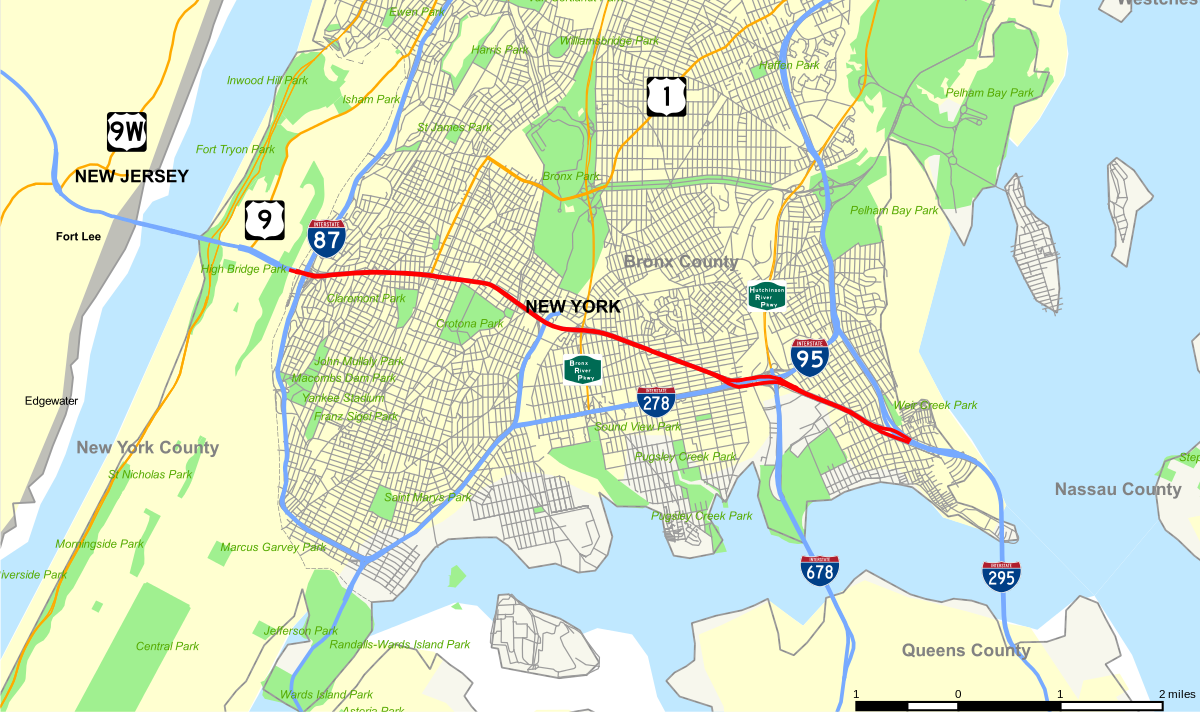
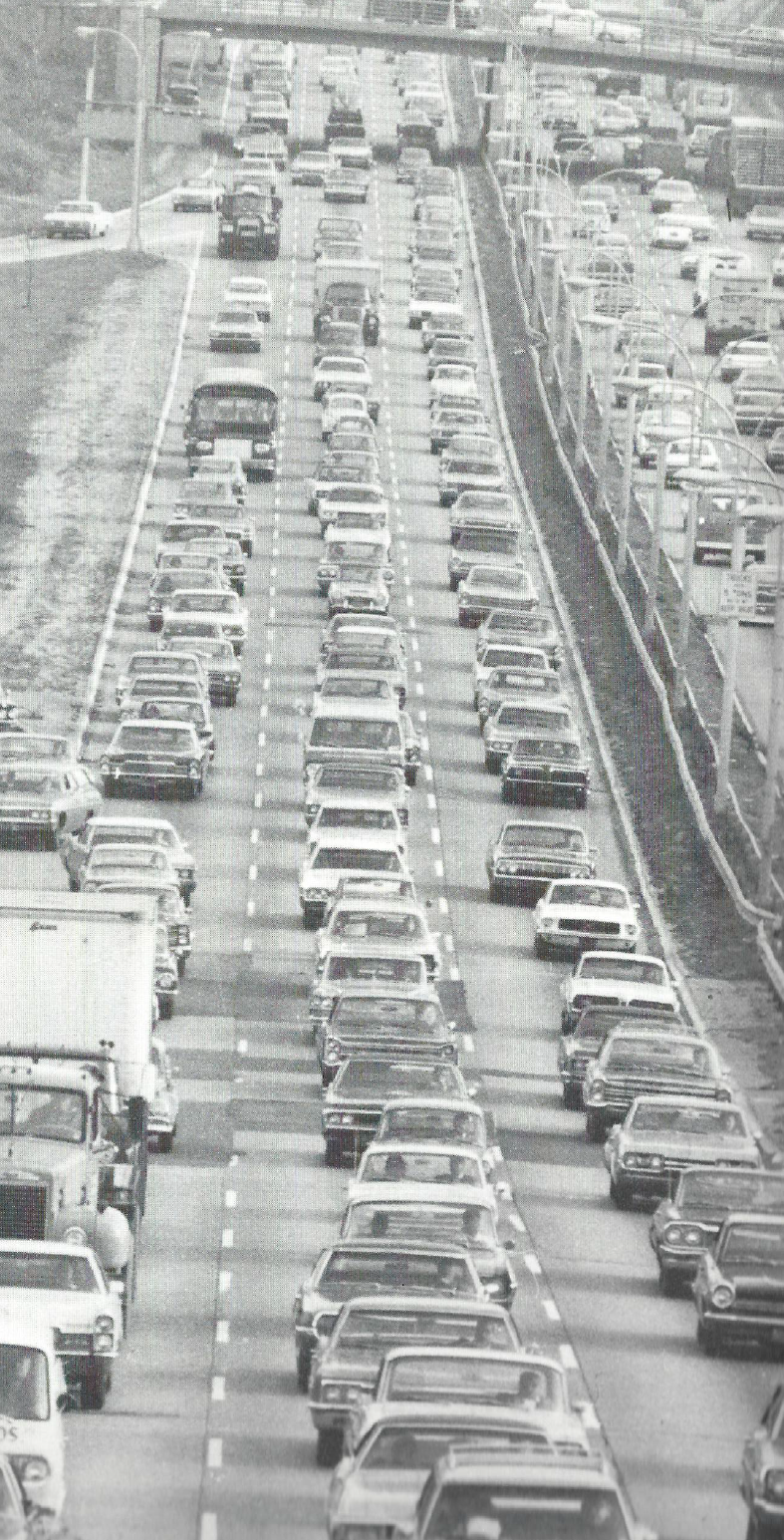
Highways were only one field of Moses’s activities. There was also housing and the associated slum clearance. A few perceptive people began to see something sinister in what was going on.

In the early 1950s, Reformers had heard rumours about Moses’s clearance sites. When the Reformers visited Moses’s clearance sites they saw the disaster that was the relocation programme.  In front of some of the brownstones, large garbage cans began to appear. This meant that many more people were living in these houses than before. Neighbourhood became more racially mixed and significantly poorer, and with poverty came social problems. Good neighbourhoods were becoming slums. A repository for all the people cleared out in the wake of the new highways.

By 1953, people began to be fully aware of what was going on. If people were being hounded out of their homes, they would move to other areas, increasing the size of the slums. They felt the people should be made aware of what was going on, but their main means of communication, the press, was not interested. They were reluctant to attack Moses.

The Reformers therefore decided to do the research themselves. Statistics were difficult to come by. Moses and his colleagues had manipulated them had hidden them well. Many volunteers visited the highway sites and saw the reality of the relocation programs. Many people had been moved to buildings that were mere shells. They saw the implications for the city. New slums were being created faster than the old ones were being developed. Backed up with the research into the true statistics and plans, the true nature of the relocation plans was revealed. The researchers expected prominent display of their report in the press, but Moses and his team suppressed this. False statistics were inserted into the report. The report was issued nine months after it had been completed, with the changes added by Moses which changed the entire argument of the report. Of all the city’s press, only the New York Post published the report. It was never mentioned in the press again.

However, a commission was set up in late 1954 to investigate the sales of $15M worth of real-estate to one of Moses’s preferred partners for $1M. On investigation it was found that far from being demolished, the apartments were being kept open and rented out. A network of collusion was uncovered where everybody involved in the project was getting rich, and this was only one of many contracts. A normal press investigation would have blazed this all over the city. But the press, still enamoured with Moses, kept his name out of it. Not one investigative reporter was put on the story. As late as 1956, the protests to the plans was still an underground movement. The legend of Moses would have to be tarnished before a real change could occur.

Analysis & Key Takeaways
  • Moses was able to control the press in order to suppress the story.
  • Corruption requires a network.
The Power Broker is a Pulitzer Prize Winner
Chapter 1Chapter 2Chapter 3
Chapter 4Chapter 5Chapter 6
Chapter 7Chapter 8Chapter 9
Chapter 10Chapter 11Chapter 12
Chapter 13Chapter 14Chapter 15
Chapter 16Chapter 17Chapter 18
Chapter 19Chapter 20Chapter 21
Chapter 22Chapter 23Chapter 24
Chapter 25Chapter 26Chapter 27
Chapter 28Chapter 29Chapter 30
Chapter 31Chapter 32Chapter 33
Chapter 35Chapter 36Chapter 37
Chapter 38Chapter 39Chapter 40
Chapter 41Chapter 42Chapter 43
Chapter 44Chapter 45Chapter 46
Chapter 47Chapter 48Chapter 49
Chapter 50

Power Broker by Robert Caro – Summary & Analysis of Chapter 28

Chapter 28 – The Warp on the Loom

The Public Authority was a part private, part public authority and new in the United States, originally set up to collect tolls on rural roads. They mainly became established during the New Deal. Each had been established to fund one new development through the issue of bonds before turning them over to the city. The authority would thus be wound down.

The tolls collected for the new bridges was earning far more than was originally conceived. Normally this meant that the tolls would end faster than usual. However, Moses saw the extra revenues as a source of funds for further development, funds which would have little of the restrictions applying to federal funds. The increase in traffic over the bridges made them a much more attractive investment for the bankers and authorities could issue bonds to raise even more funds. There would need to be a change in the law to allow Moses to keep the surplus and to extend the life of the authority indefinitely. This change would give him the power and the money equivalent to running a sovereign state.

Moses drafted a new Triborough Act for the running of the Triborough Authority, allowing it to re-issue bonds indefinitely. As the authority could only be wound down once the bonds were paid off, the authority could exist indefinitely. The Act also expanded the role of the authority which would now encompass any connected development to the original development. This would allow the Triborough Authority to effectively develop parks, roads and bridges anywhere in the city. More than this, it could develop anything that connected with these developments such as housing. When the Act was passed, the Triborough Authority, and Moses as its Chairman, had as much power over city development as the City of New York.

With the new power of the Authority, Moses has a major say in any development over the whole of the New York metropolitan area. Moses’s methods of persuasion would require secrecy and the Authority would give that secrecy. It would also give him the image of independence over red tape, the champion of the people over the dead hand of bureaucracy. This new institution would be the vehicle for the realisation of his dreams and the new head office would be on Randall’s Island, a moat protected kingdom outside of the jurisdiction of the city.

Moses no longer needed the protection of the Mayor and it was no longer politically possible for the Mayor to fire Moses. From then on, Moses no longer treated La Guardia as a superior, but as an equal.

Analysis & Key Takeaways
  • Robert Moses’ largest defeat was pushing for the Brooklyn Battery Bridge: it was because of Mrs Roosevelt that his plan was thwarted apparently. Or it was just not a good plan and with hindsight, car dependency was a growing problem.
The Power Broker is a Pulitzer Prize Winner
Chapter 1Chapter 2Chapter 3
Chapter 4Chapter 5Chapter 6
Chapter 7Chapter 8Chapter 9
Chapter 10Chapter 11Chapter 12
Chapter 13Chapter 14Chapter 15
Chapter 16Chapter 17Chapter 18
Chapter 19Chapter 20Chapter 21
Chapter 22Chapter 23Chapter 24
Chapter 25Chapter 26Chapter 27
Chapter 28Chapter 29Chapter 30
Chapter 31Chapter 32Chapter 33
Chapter 35Chapter 36Chapter 37
Chapter 38Chapter 39Chapter 40
Chapter 41Chapter 42Chapter 43
Chapter 44Chapter 45Chapter 46
Chapter 47Chapter 48Chapter 49
Chapter 50