
Monthly Archives: July 2012
From Steve Jobs’ Life: THe Original Macintosh Had Bad Sales
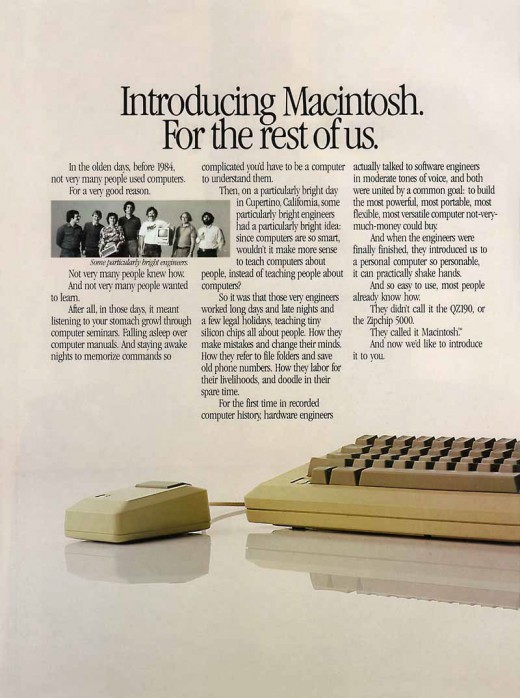
 The Original Macintosh Had Bad Sales:
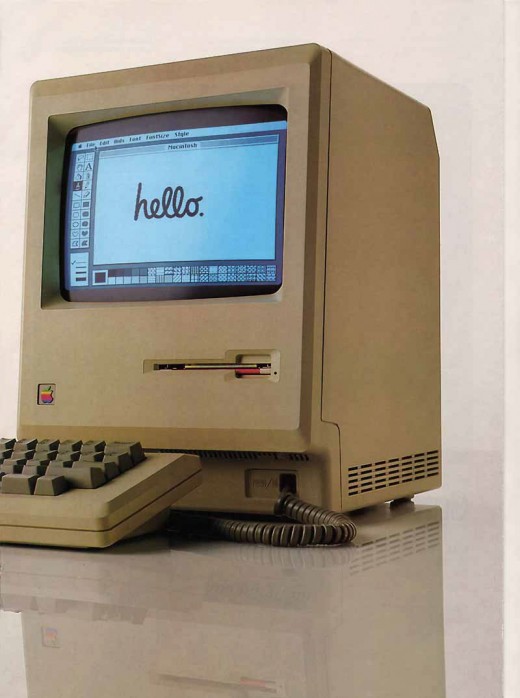
During the planning for the release of Macintosh, the marketing costs needed to be factored into the price according to then CEO John Scully. Scully said $1,999 price was too low because the marketing budget required to spend more in order to sell Apple to the masses. As a result, they set the price to $2,499 for the Macintosh. Steve Jobs argues that this price was the reason that the Macintosh did not sell well in 1984. After the 2nd quarter of 1984, Macintosh started to slump in sales. It was slow, dazzling but not powerful enough. In addition, Macintosh had only 2 applications so there was a major software development gap. It was beautiful but Macintosh used a lot of memory. Lisa functioned on 1000K of Ram. Macintosh had 128K of Ram. There was lack of an internal hard-disk drive.
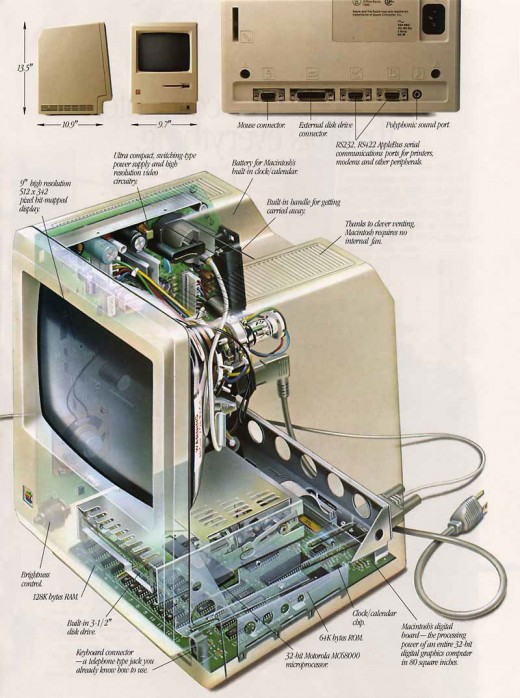
Jobs wanted to have a floppy disk drive. Macintosh did not have a fan so it over heated easily. When people became aware of flaws, reality hit. By the end of 1984, Jobs made a strange decision, he took unsold Lisa’s grafted on a Macintosh emulation program, and sold them as a new product. Jobs was producing something that wasn’t real, it sold well, and then it had to be discontinued within the company once the extra LISA’s were sold.
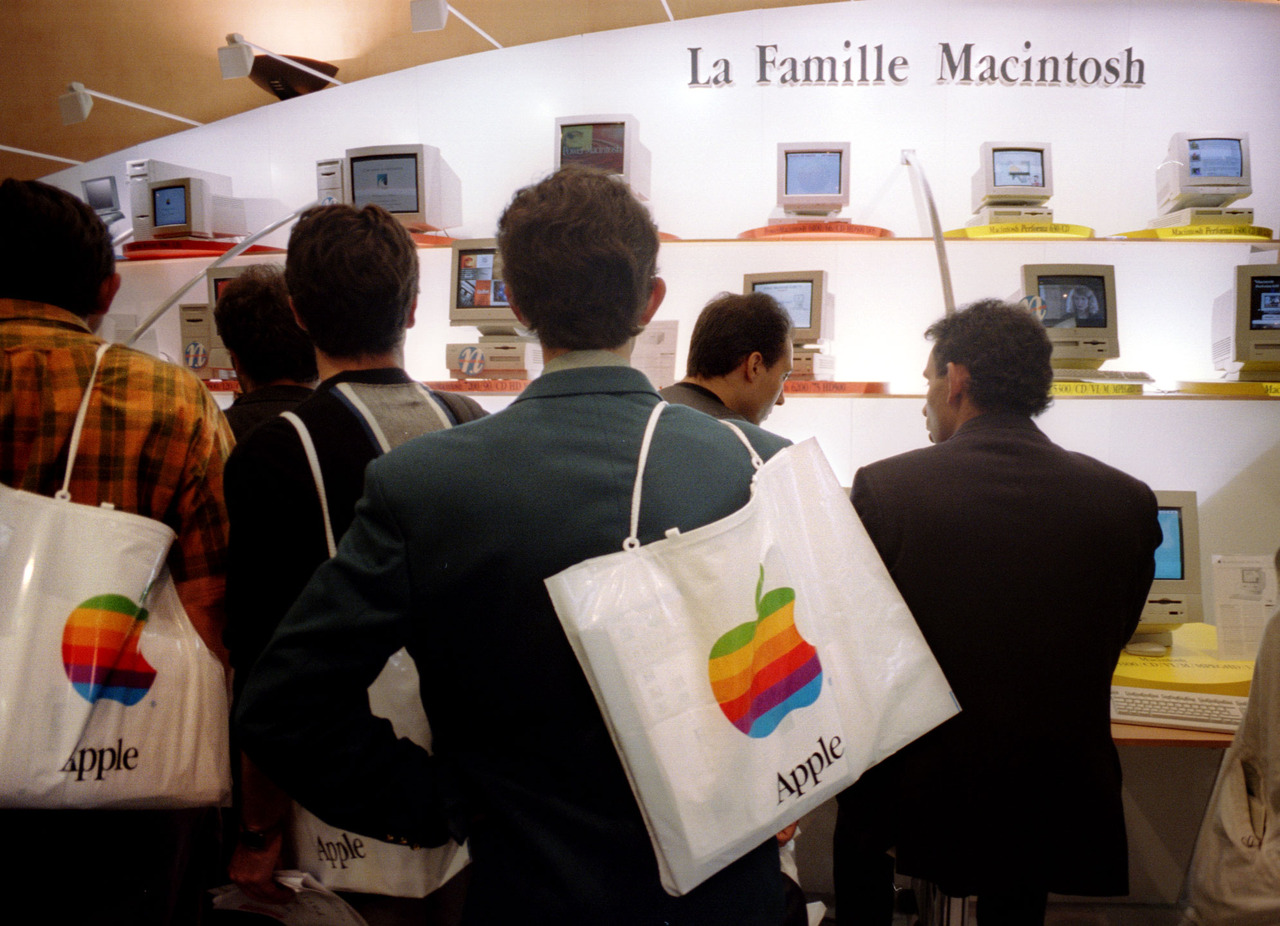
The distribution system did not respond to demand effectively, and there was an inventory backlog which was unintended by Apple Inc. Macintosh very simply did not sell well enough for the production level of building a copy of the computer every 23 seconds. This would later help Jobs realise that a Just-In-Time inventory strategy would be better suited. This was Dell computer’s competitive advantage.
On balance, Jobs’ marketing from 77 to 85 was brilliant but there were some patchy points. Not everything that Apple did on a marketing level had been genius under Jobs’ influence in the 1977-1985 era. We always talk about the 1984 commercial but check out the worst Apple ad ever from 1985 which reads: “you corporate hacks are buying IBM computers without really thinking.”
 This is an analysis based on Steve Jobs by Walter Isaacson and other sources of research. Enjoy.
From Steve Jobs’ Life: Bringing In An Outside Expert Can Be Costly
 Bringing In An Outside Expert Can Be Costly:
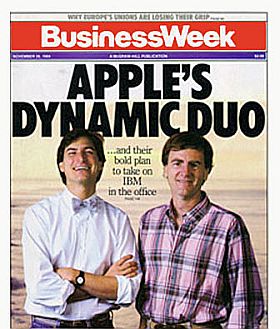
Steve Jobs was too rough-edged to be Apple CEO so Markkula and Jobs went shopping for an alternative. They focused away from the tech sector to find a marketing genius. John Scully was an outsider who was an expert in management, and a consumer marketer who had a corporate polish. He invented the Pepsi Challenge campaign at Pepsi, and he was good at marketing, and advertising. Scully was struck by how poorly marketed computers were in the mid-1980s. Scully did not actually like computers because they seemed to be too much trouble, however Scully was enthusiastic about selling something more interesting than Pepsi Co.

Scully decided that Apple should work on the idea of ‘enriching their users lives’. Scully was good at generating PR, and excitement around Pepsi. The ability to generate a buzz about Pepsi would be replicated by Steve Jobs in the unveiling of new Apple products subsequently. Initially the two hit it off very well in their meetings about Scully joining Apple. They both admitted to be smitten with each-other over the big ideas surrounding computer technology. Jobs knew how to manipulate Scully’s insecurities to his advantage. Jobs and Scully seemed to understand each-other, and they had become friends, and emotional confidants. The problem was that most marketing people are paid posers, according to a former Apple manager. Scully actually did not care about computers but cared largely about marketing, and selling an idea to the public.
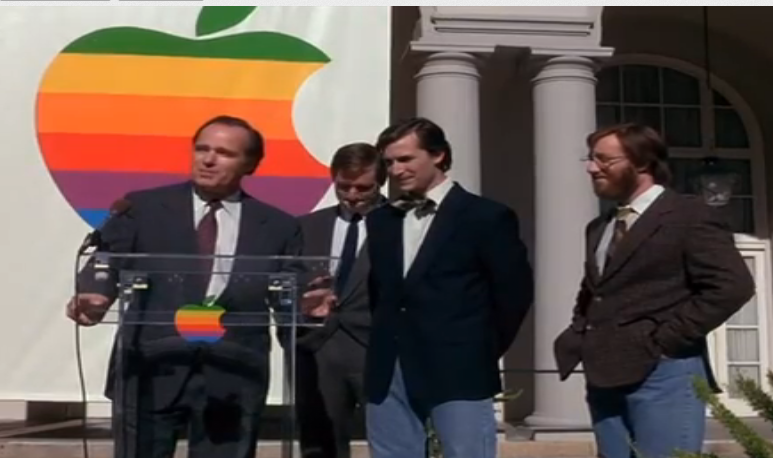
When Jobs showed Scully the Macintosh, he was more interested in Steve Jobs presentation skills than the computer itself. Scully claimed to share with Jobs goals but he was not 100% enamored with the product. Steve Jobs knew that Scully would be able to teach him the most, and Scully successfully sold Jobs the idea of his being appropriate for Apple. Jobs asked him famously: “do you want to go on the rest of your life selling sugar water, or do you want a chance to change the world.” Scully received $1,000,000 in salary, and a $1,000,000 signing bonus as the new CEO of Apple in April 1983.
This is an analysis based on Steve Jobs by Walter Isaacson and other sources of research. Enjoy.
From Steve Jobs’ Life: The Boardroom Showdown & Emotionality
 The Boardroom Showdown & Emotionality:
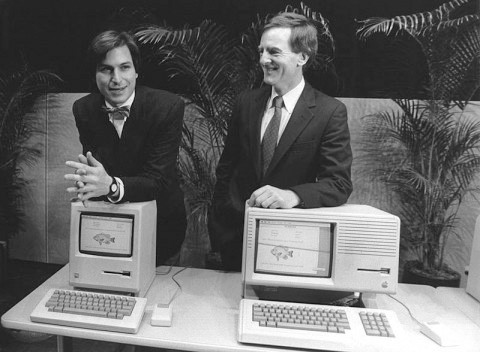
In May 1985, the boardroom meeting to demote Jobs from Macintosh was nasty. Jobs presented his case first saying that Scully did not care about computers but in response a manager retorted that Jobs had been behaving foolishly for over a year. Scully then presented his case to the board for demoting Jobs and stated that he (Scully) would either get his way or they would need a new CEO. Scully said that Jobs should be transitioned slowly out of the management role at Macintosh. Jobs felt betrayed by Scully. Steve Jobs was emotionally unstable, and even felt as though he should be able to repair his friendship with Scully. Meanwhile, Jobs would spend a lot of time plotting against Scully in light of his career crisis.