Eras Are Defined By Partnerships & Rivalry – Gates Versus Jobs Round 2:
As Jobs stepped in the limelight again at MacWorld 1997, he announced a partnership with Bill Gates’ Microsoft stating that a zero-sum game (between Apple and Microsoft) was not the way forward. Gates had stolen the Graphical User Interface from MacIntosh which was borrowed from Xerox PARC, but had struck a deal with Scully to not release a GUI until after 1988. When Windows 2.0 was released, Apple sued them unsuccessfully for IP theft. By 1997, Gates refused to help Amelio create a Word processor. When Clinton began building an anti-trust case against Microsoft for their near monopoly (particularly their destruction of Netscape), and other unethical business practices, Jobs told a Justice department official to continue if only to allow Apple to develop an alternative.
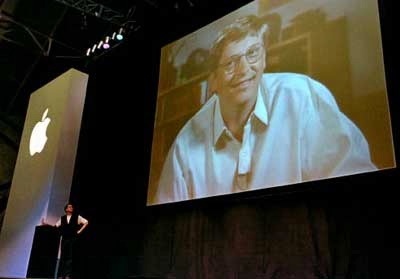
Steve Jobs closed a simple deal with Gates with the agreement that Apple would stop suing Microsoft for stolen IP, while Microsoft would have a $150 million stake in Apple with non-voting shares, and produce Microsoft Office, and Microsoft Explorer for the Mac. At MacWorld 1997, this decision to work with Microsoft was very controversial, and there was a public relations gaffe that Jobs would later regret. When introducing Bill Gates at MacWorld, Jobs decided to have Bill Gates beamed into the auditorium via satellite. The only problem was that Bill Gates was put on a giant projector screen over looking the audience like a powerful overlord or Big Brother.
This is an analysis based on Steve Jobs by Walter Isaacson and other sources of research. Enjoy.
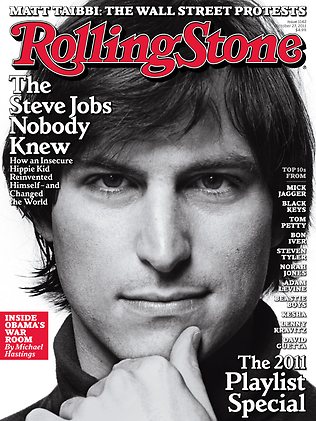
Apple wanted to build a relationship with Rolling Stone magazine, and Steve Jobs pitched them to get on the cover but they rejected Jobs’ idea. In response, Jobs said that Rolling Stone was a piece of shit in the early 1980s to a Rolling Stone journalist, and that they needed to get a new audience of people who care about technology.
Finding Similarities Between Yourself & Your Business Partners May Not Be Good:
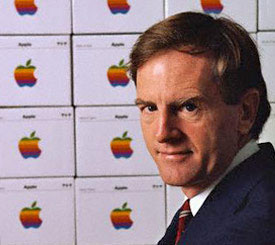
John Scully, and Steve Jobs were perfectionists, and they were self-deluded about each other. They had different values, and Scully did not learn quickly. Jobs managed to manipulate Scully into believing Scully was exceptional. Jobs was secretly astounded at Scully’s deference. Scully would never yell at employees, or treat them horribly as Jobs had. Jobs tried to find similarities between himself and Scully in order to justify choosing Scully as Apple’s CEO. Thinking in this way is a mistake.
This is an analysis based on Steve Jobs by Walter Isaacson and other sources of research. Enjoy.
Scully thought that Jobs was a perfectionist, while Scully didn’t care about products at all. Scully did not learn quickly in his new role but was instead focused on marketing and management rather than the products according to Steve Jobs’ recollection. In addition, Scully seemed to be clueless that Jobs was manipulating him with flattery, while Scully believed in keeping people happy and worrying about relationships. Outside of Apple, the market responded negatively to Macintosh and by mid-84 into 85 a crisis was growing. By early 1985, the managers had told John Scully that he was supposed to run the company and be less eager to please Jobs. Also, Steve Jobs was told to stop criticizing other departments in Apple which was becoming difficult to stomach. Sales in the first quarter of 1985 were only 10% of their projections. Management changes were on the horizon.
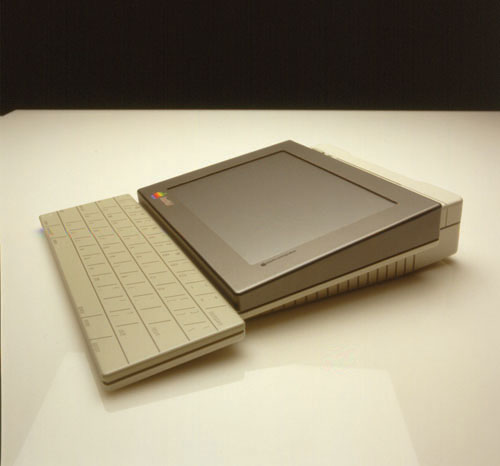
Steve Jobs’ abuse of others increased through character assassinations and intense and direct criticism but this was also coupled with a quickly declining market share. Many middle managers rose up against Jobs. Noting the increased tension, Steve Jobs asked Scully if Jobs could create a Macintosh in a book-like format while also heading an “Apple Labs” project as a new R&D off-shoot of Apple Computers. From Scully’s perspective, if Jobs agreed to leave Macintosh, this solution would solve the management issues and get rid of Jobs’ presence at Apple’s head office. Jean-Louis Gassee would move in to take over the Macintosh only if he could avoid working under Jobs. The problem was that Jobs did not want to quit MacIntosh but wanted more responsibility by running both Macintosh and the new R&D project. Finally, Scully had a meeting with Mike Murray. By mid-1985, Apple executives started to blame Jobs for the miscalculated forecasting of Mac sales and resentment built up due to Job’s management style. Mike Murray, Jobs’ lieutenant in marketing, wrote a memo summarizing the problems that Apple had. Murray laid a lot of blame on Steve Jobs which was a coup considering his closeness to Jobs. Murray pointed out that Jobs had a controlled power-base within the company which created a strategic alliance amongst high value employees. When Scully confronted Jobs, he said that it wasn’t going to work with Jobs’ approach at the Macintosh division. Jobs said that Scully did not spend enough time teaching Jobs as an excuse for the demotion that Scully was proposing ie start an R&D division outside of Apple. Jobs was erratic, he would reach out to Scully, and then lash-out at him behind his back. Jobs would phone one manager at 9pm to discuss Scully’s poor performance, and then he would phone Scully at 11pm to say that he loved working with Scully. The end of the line for Jobs was approaching quickly.
Being Vindictive Is Part Of Leadership:
In 1985, Jobs refused a $50,000 bonus for Macintosh engineers who went on vacation during the bonus awarding period. Andy Hurtzfeld quit because he didn’t like Macintosh’s team, or Jobs. Woz and Jobs were no longer friends. As an expression of that, Jobs also shot down Wozniak’s universal remote control company ‘Cloud 9’ by arguing that the design agency should not be allowed to work with 3rd party companies such a Woz’s. Steve Wozniak left Apple saying that the company was not being run properly for the past 5 years. Jobs was vindictive, and convinced himself that Woz’s remote control designs was a problem because it resembled other of Frog’s designs which were used to design Apple products. In 1999, Adobe refused to write programs for the iMac, so when the iPhone was released, Steve Jobs refused to allow flash on its products arguing that these products ate too much battery power, when in reality the core problem was that Adobe had screwed Apple in the past. In other words, being vindictive is part of business leadership as far as Steve Jobs is concerned.
This is an analysis based on Steve Jobs by Walter Isaacson and other sources of research. Enjoy.
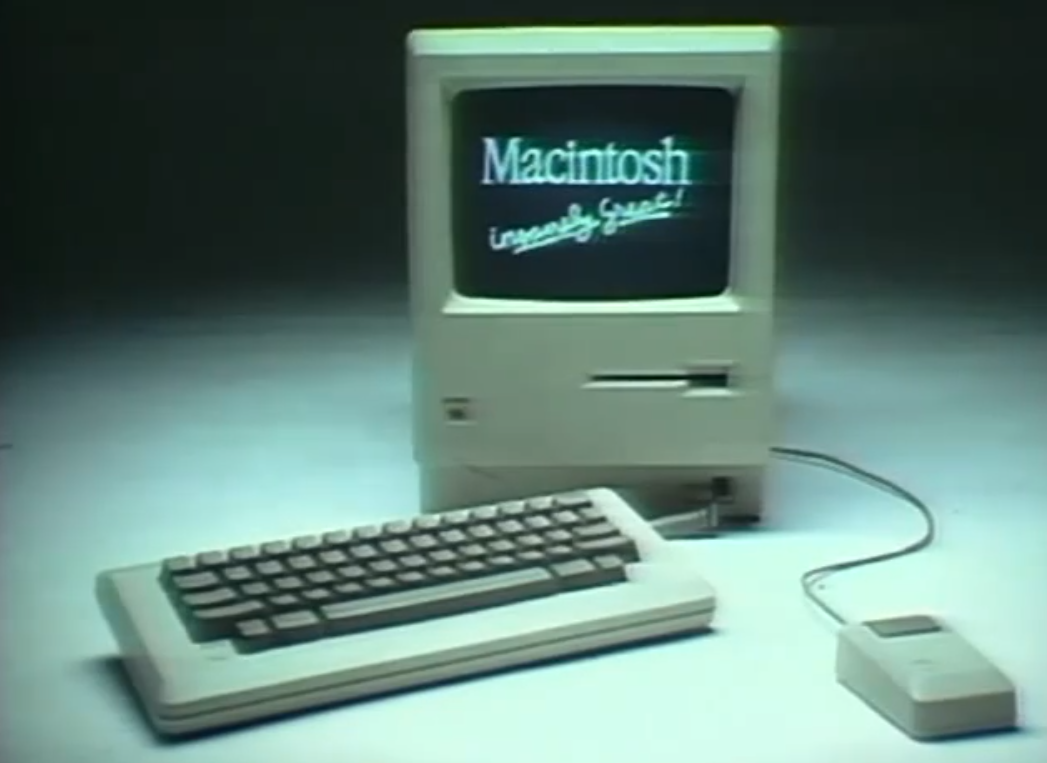
Jobs required perfection. When Adam Osborne produced a messy portable computer that was sufficient , Jobs would cry that “Osborne just doesn’t get it!” as he would frequently storm around the Macintosh office. Steve Jobs refused to compromise on perfection in the name of price, and deadlines. If someone didn’t care to be perfect they were a bozo in Steve Jobs view. There were many bozos at Apple. Jobs did not hand trade offs well. Steve Jobs wanted a smooth looking Macintosh computer, and underwent many adjustments in the design of the Macintosh system.
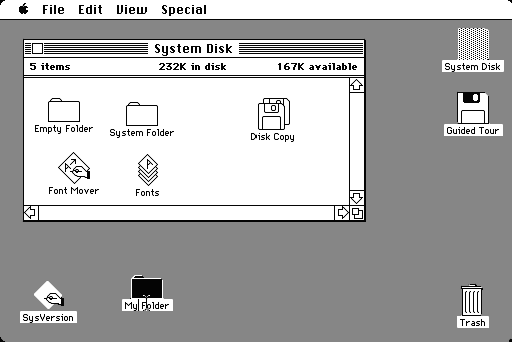
He pushed to have rectangles with rounded corners included in a basic Mac program. Jobs learned to love type-faced fonts for the Macintosh. Since the computer could allow such fonts, they developed different one named after streets in New York. The Macintosh fonts would help launch deskstop publishing, and allow people outside of publishing houses to learn about the value of font styles. Steve Jobs went through 20 different title bars on the Macintosh OS screen before he was satisfied. When his colleagues claimed that the title bars were not that important, Jobs went crazy, title bars were going to be viewed every day by millions of people!
This is an analysis based on Steve Jobs by Walter Isaacson and other sources of research. Enjoy.
 Eras Are Defined By Partnerships & Rivalry – Gates Versus Jobs Round 2: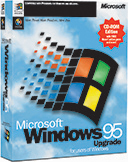
 This is an analysis based on Steve Jobs by Walter Isaacson and other sources of research. Enjoy.